
Bund Lining Types
Bund lining is not a single product. Different containment structures require different lining systems depending on the chemicals stored, operating conditions and regulatory requirements. Floors, walls, expansion joints and secondary containment areas all require specific<br /> protection methods to maintain effective chemical containment.
How to Choose the Right Bund Lining System
Bund lining systems are selected according to the structure being protected, the chemicals being stored and the performance requirements of the site. The correct specification depends on factors such as chemical resistance, substrate type, temperature exposure and compliance requirements.
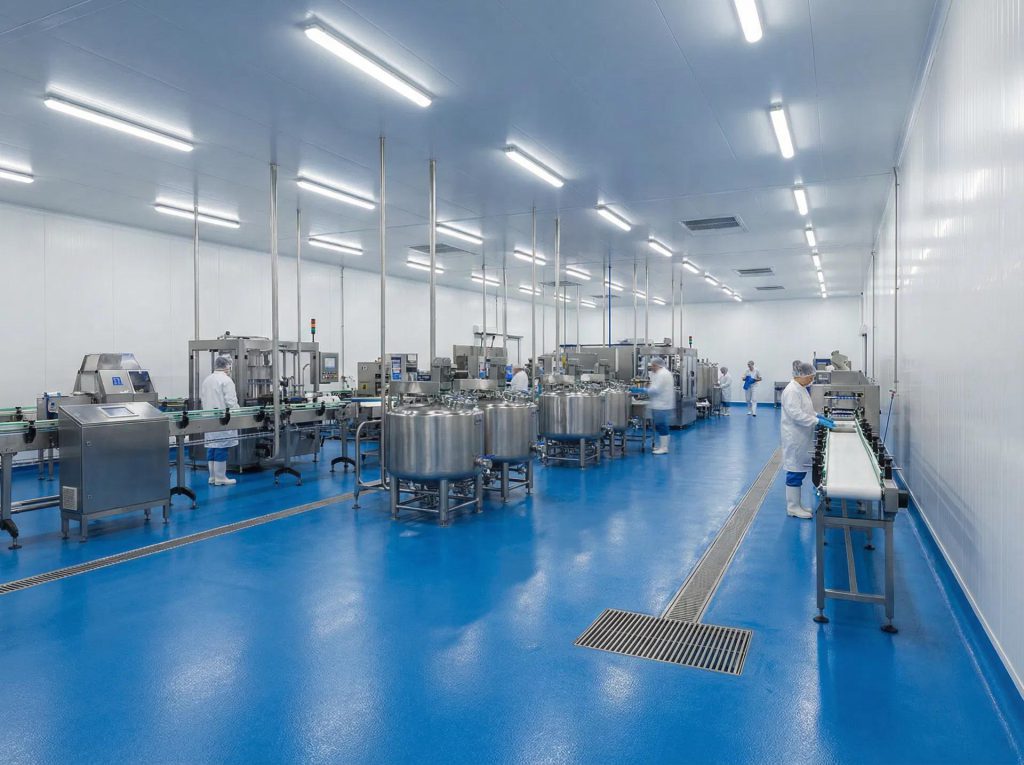
Bund Floor Lining
Bund floor lining is the chemically resistant, impermeable coating applied to the horizontal base of a bund. Within the wider bund lining hierarchy, it works alongside bund wall lining and joint detailing to deliver a continuous containment envelope across every bunded floor.
Learn More
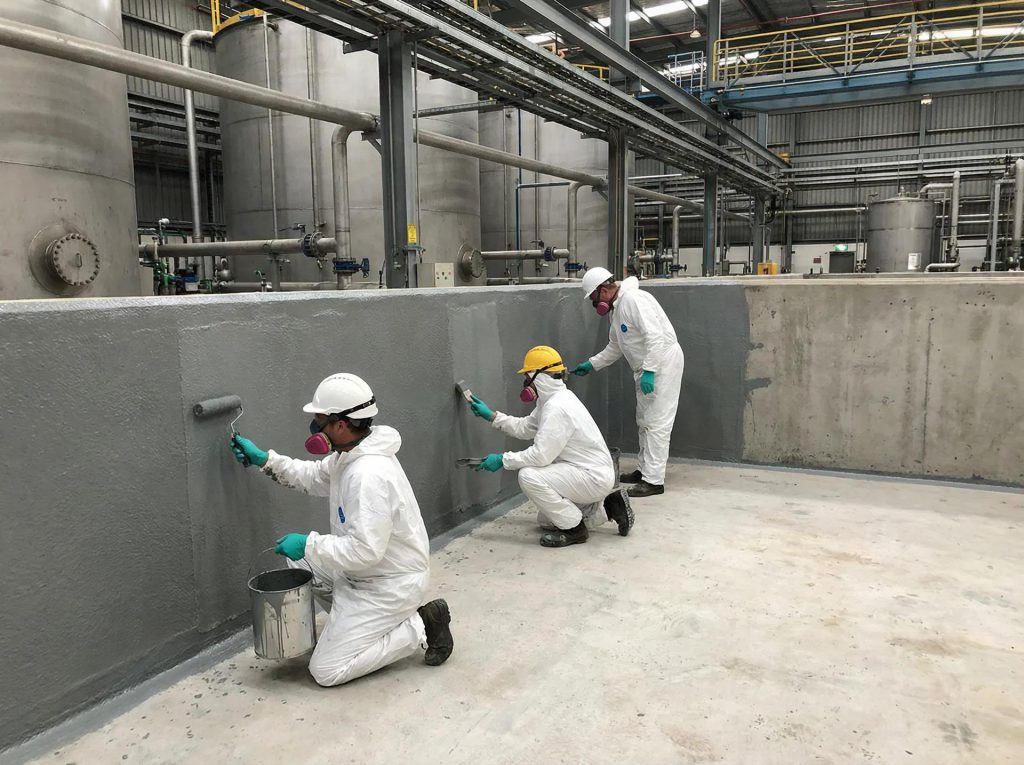
Bund Wall Lining
Bund wall lining is the chemically resistant, impermeable coating applied to the vertical faces of a bund wall, the engineered perimeter built around a tank, vessel or storage area. It works alongside bund floor lining and expansion joint detailing to form a continuous containment envelope that holds any escaped liquid...
Learn More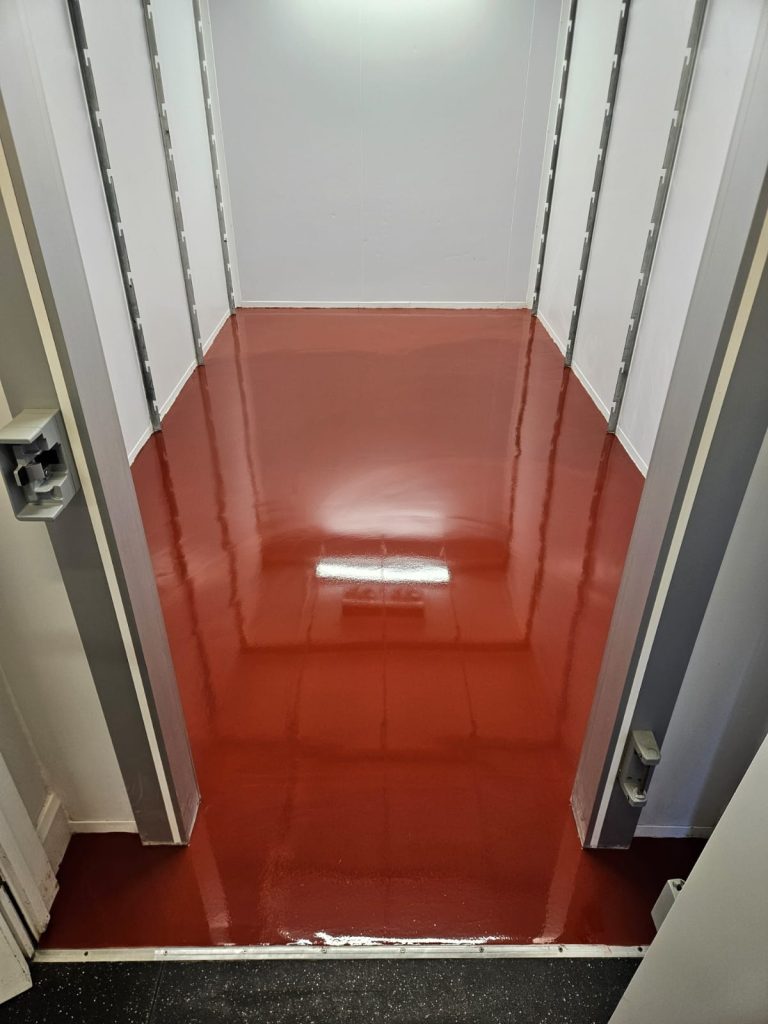
Expansion Joint & Detail Treatment
Expansion joint and detail treatment is the specialist work that turns a lined bund into a sealed one. It covers every movement joint, penetration, corner and termination where flexibility, chemical resistance and a pinhole free seal have to co-exist. Across a bund lining system, this is the work that decides...
Learn More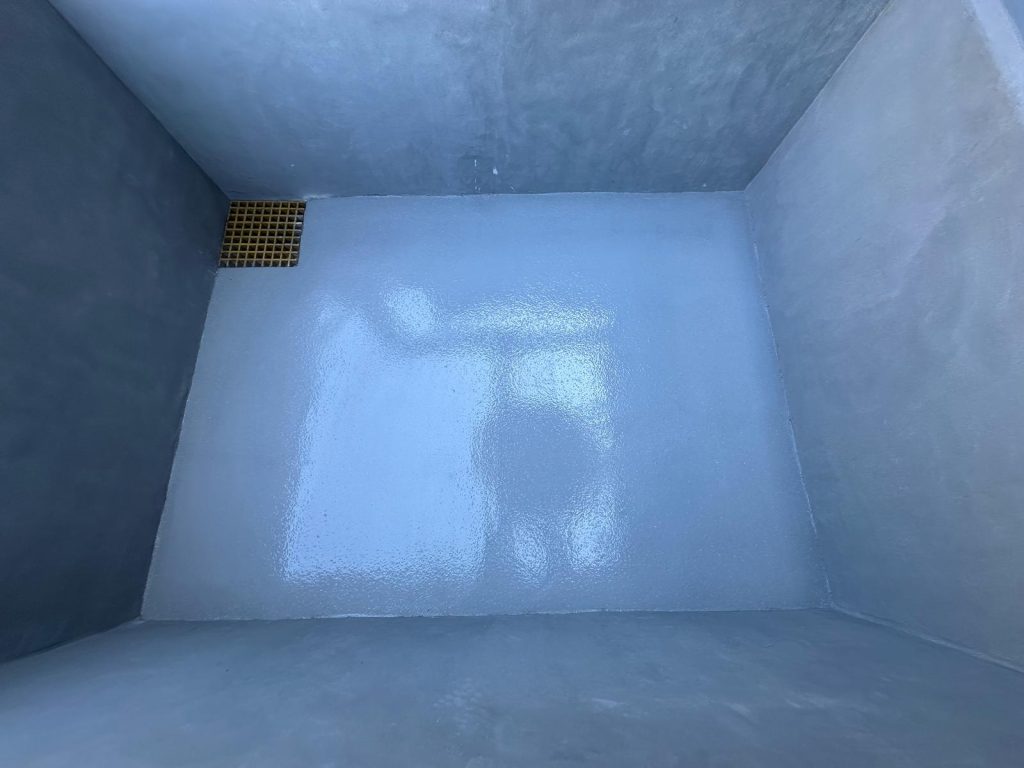
Secondary Containment
Secondary containment is the second line of defence against the release of liquids, oils or chemicals on industrial sites. Sitting beneath or around a primary vessel, it captures any spill, leak or overflow before it reaches the ground, drains or watercourses, protecting people, assets and the environment when primary containment...
Learn MoreHow To Choose The Right Type of Bund Lining
Key Factors When Selecting a Bund Lining System
The correct bund lining system depends on three factors: the substance being stored, the structure being protected and the regulatory requirements that apply to the site.
Chemical Exposure
Fuel storage: epoxy and polyurethane bund lining systems are commonly specified for hydrocarbon containment due to their durability and chemical resistance.
Acids and solvents: vinyl ester and novolac epoxy systems are often selected where aggressive chemicals require higher levels of chemical resistance.
Potable water applications: water tank linings and tank relining projects typically require potable water-approved or food-grade lining systems.
GRP and FRP bund linings: the laminate resin must be carefully matched to the stored chemical, its concentration and operating temperature to ensure long-term performance.
Structure Type
New concrete structures: newly constructed bunds and tanks can be specified as part of the original build programme, allowing the lining system to be designed around the substrate and operating conditions.
Existing structures: tank relining and refurbishment projects often require additional preparation to address moisture, contamination and existing coatings before a new lining system can be applied.
Fibreglass and bonded overlay systems: fibreglass bund linings and bonded overlay systems can provide effective protection where substrate conditions are suitable.
Steel bunds: compatible primers and corrosion-protection systems are required before the final bund lining can be installed.
Temporary containment requirements: drop-in liners and demountable bund systems may provide a practical alternative where temporary containment is required during maintenance works or phased shutdowns.
Regulatory Requirements
Environmental compliance: bund lining systems must meet relevant environmental and safety requirements, including Environment Agency guidance, COSHH regulations and the Water Resources Act where applicable.
Product approvals: fuel storage, potable water and food-contact applications often require approved lining products that meet industry-specific standards.
Documentation and traceability: installation records, inspection procedures and specification documentation help demonstrate compliance and support long-term asset management.
ResChem specifies bund lining systems in accordance with the relevant regulations and project requirements, ensuring both containment performance and regulatory compliance.
Frequently Asked Questions
-
Generally, no. A failing lining is a debonded substrate, and any new system applied over it is only as good as the layer beneath. In a small minority of cases, where the existing system is sound but cosmetically worn, a compatible overcoat with verified adhesion testing can be specified.
-
No, thickness has to match the duty, and a thicker film of the wrong chemistry will still fail. The right specification balances chemical compatibility, mechanical demand and applied film thickness, rather than treating thickness as a proxy for performance.
-
A protective coating is a multi-coat film build at moderate thickness, typically 0.5–2 mm, designed to cope with routine chemical and mechanical exposure. A full lining is a thicker, often reinforced barrier, including fibreglass bund lining laminates and trowel-applied mortar systems, engineered to hold a contained spill against direct chemical attack across the asset's design life.
-
The principal references are CIRIA C736 (bund design and detailing), the BS EN 1504 series (concrete protection and repair), the Oil Storage Regulations and Environment Agency PPGs, alongside sector-specific frameworks such as COMAH, SSAFO and EU GMP. The build-up method itself is judged against the relevant standard's performance criteria rather than being prescribed line by line.
-
There is no fixed answer. Cost varies with area, chemistry, access, substrate condition and required film thickness, and surface preparation alone often accounts for 30–40% of the total. Reschem prices each build-up against the specific scope of work rather than a per-square-metre rate, so comparisons across methods reflect the real duty rather than headline figures.
-
Vertical work uses thixotropic, sag-resistant materials applied top-down to control runs and hold uniform thickness, with reinforcement at re-entrant corners and top-of-wall terminations. Horizontal work can use self-smoothing or self-levelling systems built to substantial thickness, with slip-resistant aggregate broadcast and falls engineered into the lining itself.
-
Slip resistance is built in by broadcast aggregate, anti-slip fillers or texture rolling at the topcoat stage, with grade selected to match the duty (light foot traffic versus heavy wash-down). Greater texture improves underfoot grip but reduces cleanability, so the build-up is tuned to the operating environment. This is often fine aggregate for hygienic areas, coarser broadcast for industrial bunds where cleanability matters less.