

Bund Lining Materials
Material selection is the most critical decision in any bund lining project. The right material delivers decades of compliant chemical containment. The wrong one fails early, regardless of how well it is applied or how sound the concrete substrate beneath it is.
Bund Lining Materials Overview
We specify from a defined range of resin chemistries, each suited to specific chemistry, temperature and mechanical duty. We also work alongside specialist materials such as rubber bunding (sheet rubber lining systems used for some hydrofluoric and severe acid duty) where these sit outside our core resin range. Where rubber bunding is the right answer, we say so. Where it is not, we specify the correct resin chemistry from the range above.
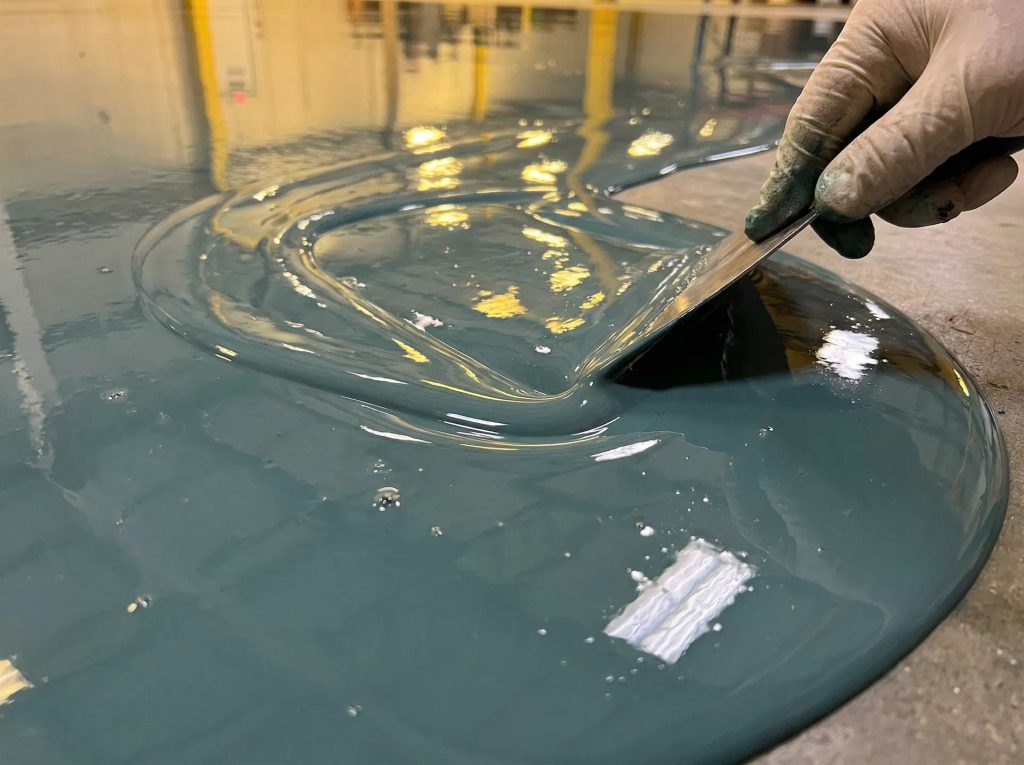
Epoxy Resins Bunds
Epoxy resin is the workhorse of UK bund lining. This material has a two-part thermosetting chemistry that cures into a hard, chemically resistant film bonded to concrete or steel. We specify epoxy resin lining across most bund duties because it delivers reliable performance, predictable behaviour and sound whole-life cost.
Learn More
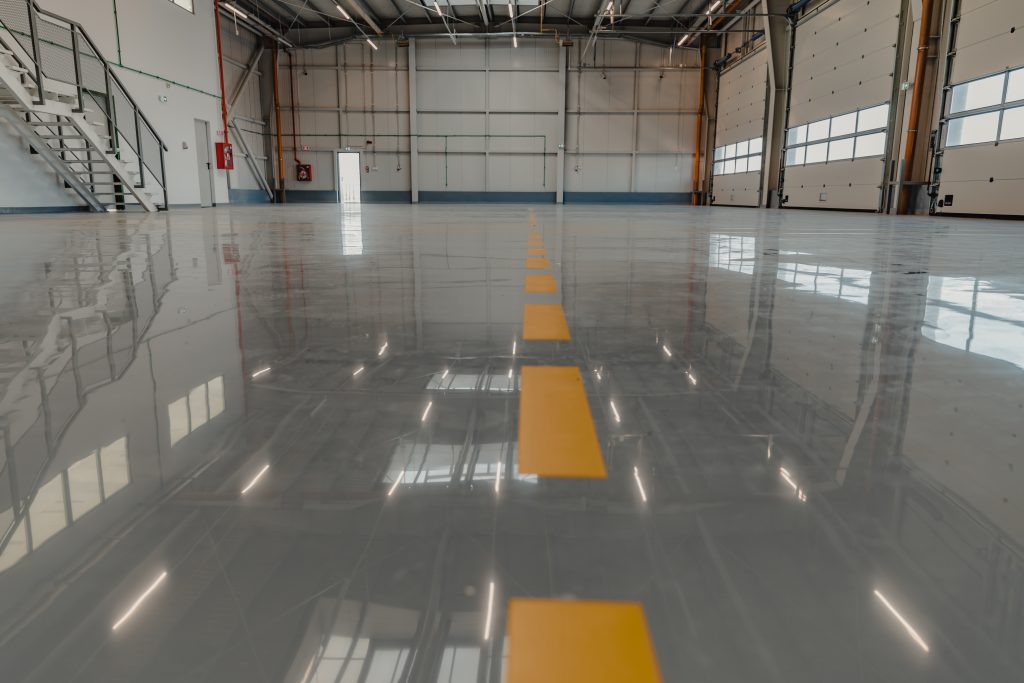
Novolac Epoxy Resin
Novolac epoxy is the premium chemistry in the epoxy family, uprated for hot acid, hot solvent and elevated temperature service that standard epoxy resin lining cannot reliably hold. We specify it on the most demanding chemical bund duties, where temperature meets aggressive media and a standard epoxy would soften, swell...
Learn More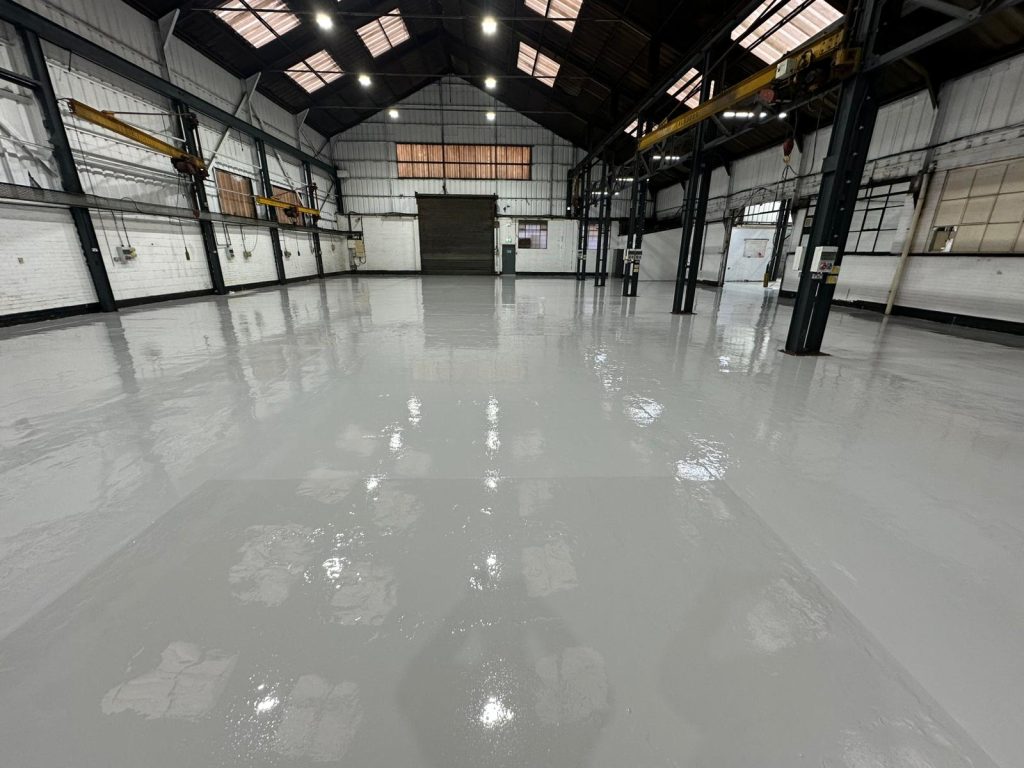
Polyurea Resins
Polyurea is a two component thermosetting elastomer that gels in seconds, so it is almost always sprayed through plural component equipment that mixes both parts at the gun. The cured membrane is tough and flexible: tensile strength up to 25 N/mm², elongation of 200 to 700%, hardness from Shore A...
Learn More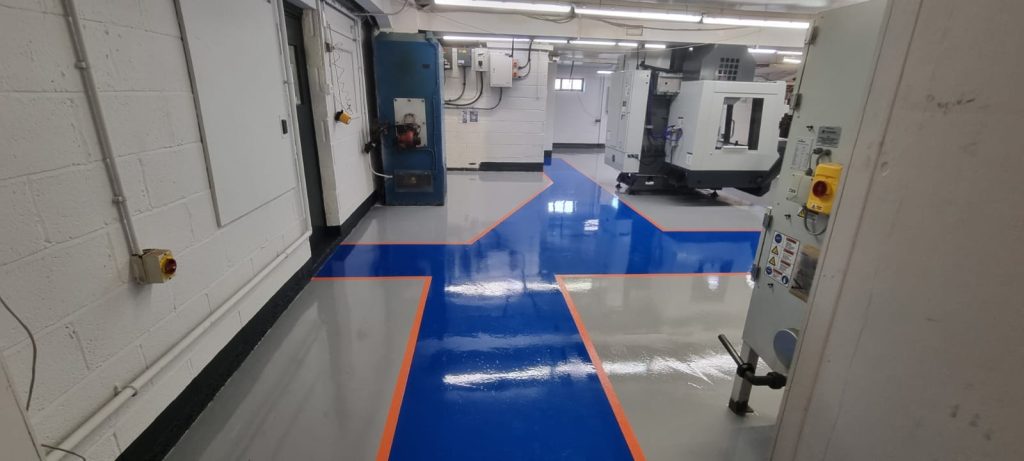
Polyurethane Resins
Polyurethane resin is the chemistry we specify when flexibility, thermal cycling and weather tolerance matter as much as chemical resistance. We use PU resin across external bunds, food and beverage production floors and any duty where a rigid epoxy would crack or yellow. It is the most adaptable elastomeric chemistry...
Learn More
Vinyl Ester Resins
Vinyl ester resin is the chemistry we specify when a chemical bund has to hold concentrated acids, oxidisers or aggressive process streams that would destroy a standard epoxy. It is the standard binder for fibreglass bund lining laminates and the default uplift wherever acid containment is the design case rather...
Learn MoreHow to Choose the Right Material
Material selection is a structured decision, not a default. The factors we work through on every concrete bund design and refurbishment specification include:
- Chemical exposure – the worst credible spill, not the routine one. The lining must hold the most aggressive chemistry the bund could see, not just what it sees on a normal day.
- Operating temperature – both ambient and any hot product or steam exposure. Hot service narrows the material palette quickly, particularly above 60°C.
- Mechanical loading – forklift traffic, drum movement, dropped tools, hydrostatic load and impact. A floor under traffic needs a tougher chemistry than a wall in splash service.
- Substrate – most bund linings sit on concrete, but some sit on steel or masonry. Each substrate has its own primer chemistry and adhesion expectations.
- Build-up method – different materials are suited to different application techniques, and the build-up has to be agreed before the material is finalised.
- Programme – cure times, recoat windows and return-to-service requirements determine whether rapid-cure or conventional materials are realistic.
- Service life expectation – a 25-year lining and a 10-year lining are not specified the same way, and material choice has to reflect the asset’s intended life.
- Regulatory framework – sector-specific obligations (BS 4247 for nuclear, BRCGS for food, ENA standards for power) constrain what materials are acceptable.
- Slip resistance and finish – hygiene, traction and aesthetic expectations push the specification towards or away from particular chemistries.
- Whole-life cost – material price per litre matters far less than total cost across the asset’s life, including any replacement, repair and downtime.
Frequently Asked Questions
-
Generally, no. A failing lining is a debonded substrate, and any new system applied over it is only as good as the layer beneath. In a small minority of cases, where the existing system is sound but cosmetically worn, a compatible overcoat with verified adhesion testing can be specified.
-
No, thickness has to match the duty, and a thicker film of the wrong chemistry will still fail. The right specification balances chemical compatibility, mechanical demand and applied film thickness, rather than treating thickness as a proxy for performance.
-
A protective coating is a multi-coat film build at moderate thickness, typically 0.5–2 mm, designed to cope with routine chemical and mechanical exposure. A full lining is a thicker, often reinforced barrier, including fibreglass bund lining laminates and trowel-applied mortar systems, engineered to hold a contained spill against direct chemical attack across the asset's design life.
-
The principal references are CIRIA C736 (bund design and detailing), the BS EN 1504 series (concrete protection and repair), the Oil Storage Regulations and Environment Agency PPGs, alongside sector-specific frameworks such as COMAH, SSAFO and EU GMP. The build-up method itself is judged against the relevant standard's performance criteria rather than being prescribed line by line.
-
There is no fixed answer. Cost varies with area, chemistry, access, substrate condition and required film thickness, and surface preparation alone often accounts for 30–40% of the total. Reschem prices each build-up against the specific scope of work rather than a per-square-metre rate, so comparisons across methods reflect the real duty rather than headline figures.
-
Vertical work uses thixotropic, sag-resistant materials applied top-down to control runs and hold uniform thickness, with reinforcement at re-entrant corners and top-of-wall terminations. Horizontal work can use self-smoothing or self-levelling systems built to substantial thickness, with slip-resistant aggregate broadcast and falls engineered into the lining itself.
-
Slip resistance is built in by broadcast aggregate, anti-slip fillers or texture rolling at the topcoat stage, with grade selected to match the duty (light foot traffic versus heavy wash-down). Greater texture improves underfoot grip but reduces cleanability, so the build-up is tuned to the operating environment. This is often fine aggregate for hygienic areas, coarser broadcast for industrial bunds where cleanability matters less.