
Industry
Bund lining is never one size fits all. Chemistry, temperature, regulatory regime and operational rhythm vary by sector, and that drives every decision from bund construction to topcoat. Sector knowledge is what turns a generic bunding solution into a specification that fits the site, because each industry brings its own pressures: corrosive process streams, food grade hygiene, COMAH compliance, radiological controls or seasonal turnaround windows.

Agriculture & Aquaculture
In agriculture and aquaculture, bund lining is the chemically resistant barrier that keeps slurry, silage effluent, fertiliser, agricultural fuel oil and aquaculture process water safely contained.
Learn More

Chemical Processing
In chemical processing, bund lining is the engineered chemical resistant layer that lets a concrete bund hold reactive, corrosive or aggressive process media without itself becoming part of the problem.
Learn More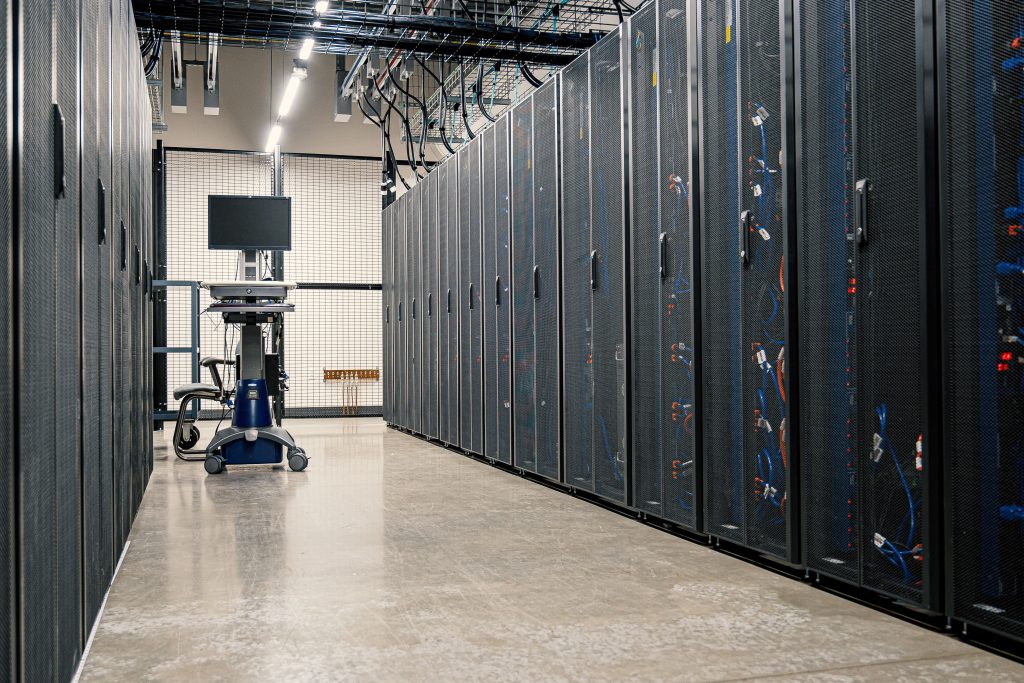
Data Centres & Utilities
In data centres and utilities, bund lining is the chemically resistant, fire-aware barrier that contains standby diesel and HVO, battery electrolyte, glycol coolants and dielectric fluids across resilient, always-on infrastructure.
Learn More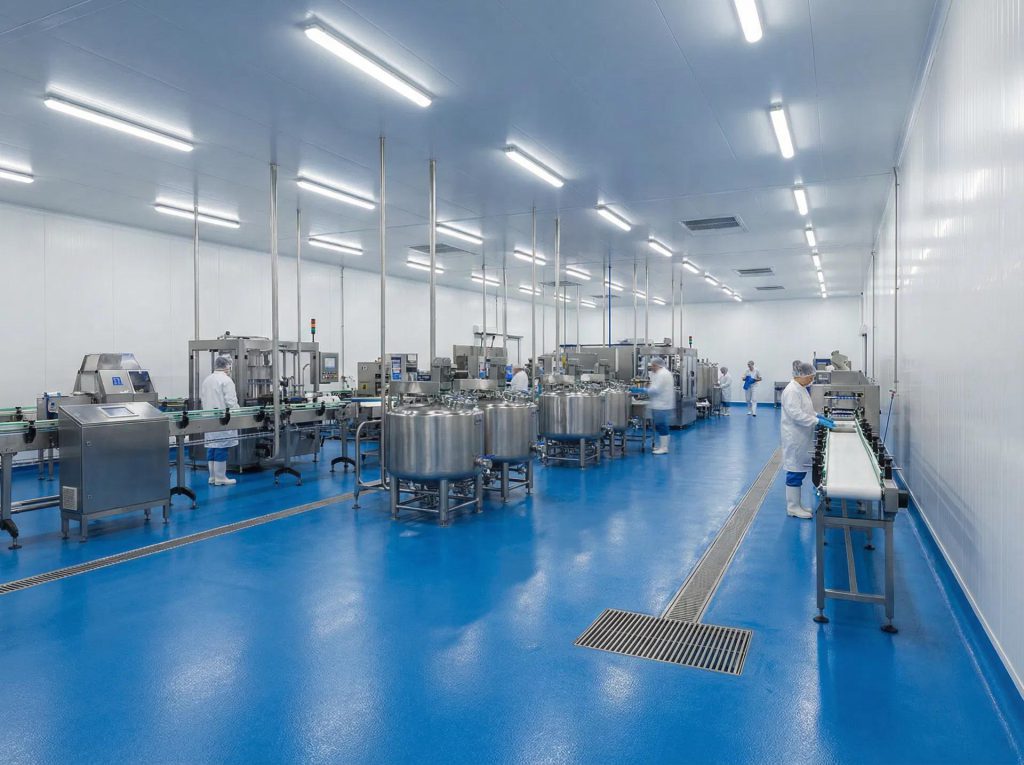
Food & Beverage
In food and beverage, bund lining is the hygienic, chemically resistant barrier that keeps process liquids, ingredients and cleaning chemistry safely contained — and keeps them away from production areas, drains and watercourses.
Learn More
Manufacturing & Engineering
In manufacturing and engineering, bund lining is the chemically resistant, mechanically robust barrier that protects workshop floors, oil bunds, plating lines and lubricant compounds from spillage, leaks and process losses.
Learn More
Nuclear Facilities
In nuclear facilities, bund lining is the decontaminable, chemically resistant barrier that supports radioactive containment, active effluent handling and waste storage across operational and decommissioning sites.
Learn More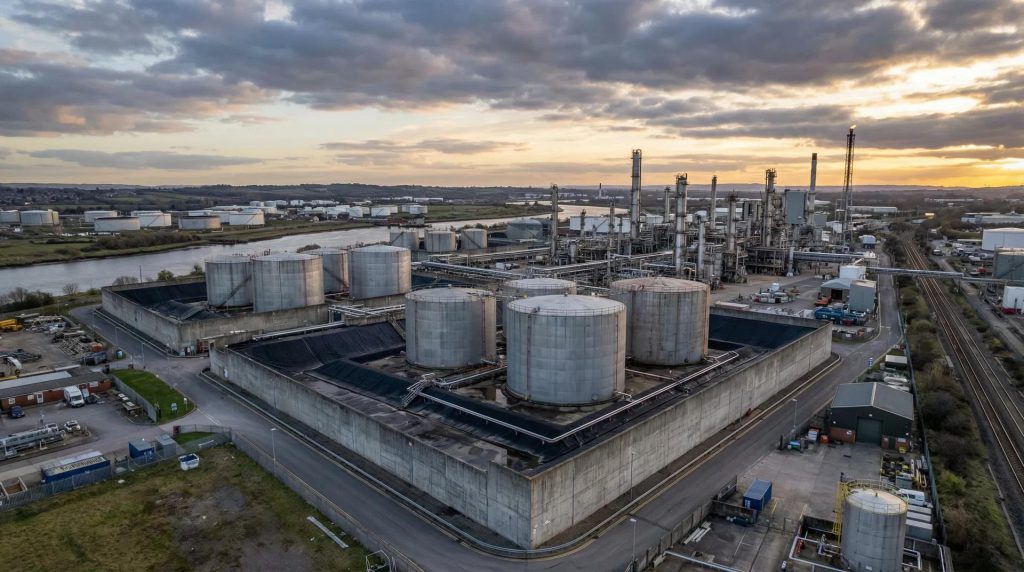
Oil, Gas & Petrochemical
In the oil, gas and petrochemical sector, bund lining is the engineered barrier that turns a concrete bund into a fully sealed oil containment bund, capable of holding fuels, lubricants, condensate and process streams safely.
Learn More
Pharmaceutical
In pharmaceutical and life sciences, bund lining is the GMP-compliant, chemically resistant barrier that protects cleanrooms, API synthesis bays, fermentation suites and active waste areas from spillage, sanitisation chemistry and cross-contamination.
Learn More
Power Generation & Transmission
In power generation and transmission, bund lining is the chemically resistant, fire-aware barrier that turns concrete transformer bunds, generator compounds and plant room floors into compliant oil containment.
Learn More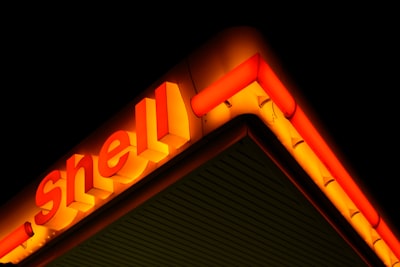
Retail Fuel & Forecourts
In retail fuel and forecourts, bund lining is the chemically resistant barrier that turns concrete tank chambers, fill point manholes, dispenser sumps and surface bunds into compliant fuel containment systems.
Learn More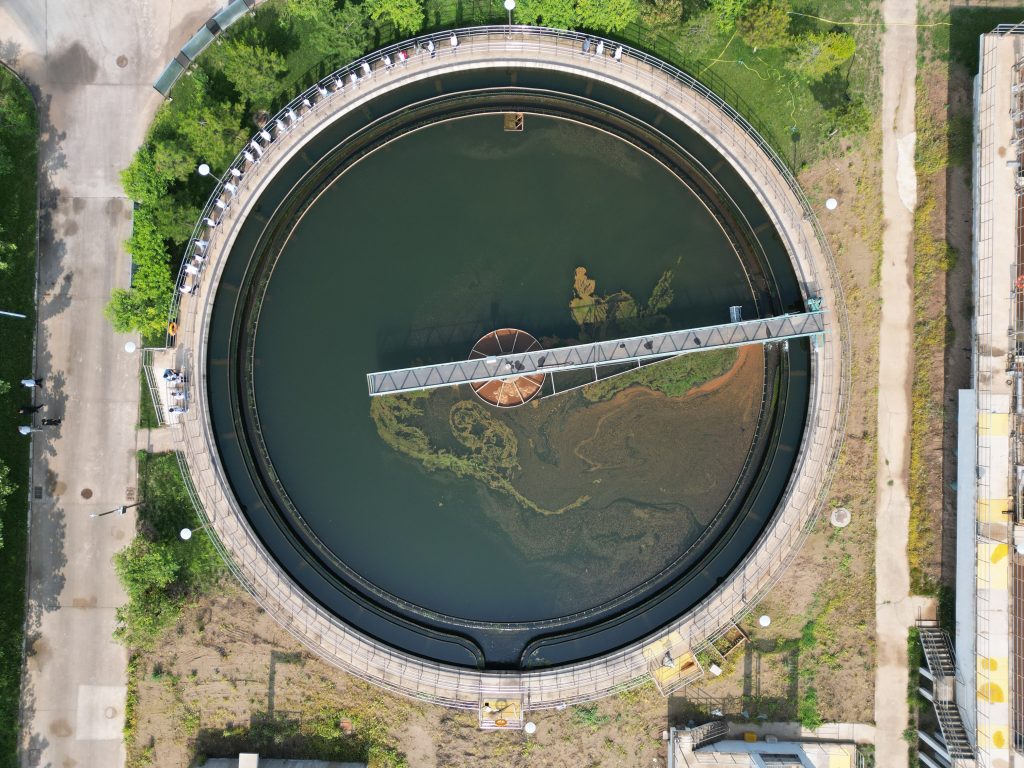
Sewage & Waste Water Treatment
In sewage and waste water treatment, bund lining is the chemically resistant barrier that protects concrete from biogenic sulphuric acid, sulphides, reagent dosing and constant saturation across treatment plants and sewer assets.
Learn MoreFrequently Asked Questions
-
Generally, no. A failing lining is a debonded substrate, and any new system applied over it is only as good as the layer beneath. In a small minority of cases, where the existing system is sound but cosmetically worn, a compatible overcoat with verified adhesion testing can be specified.
-
No, thickness has to match the duty, and a thicker film of the wrong chemistry will still fail. The right specification balances chemical compatibility, mechanical demand and applied film thickness, rather than treating thickness as a proxy for performance.
-
A protective coating is a multi-coat film build at moderate thickness, typically 0.5–2 mm, designed to cope with routine chemical and mechanical exposure. A full lining is a thicker, often reinforced barrier, including fibreglass bund lining laminates and trowel-applied mortar systems, engineered to hold a contained spill against direct chemical attack across the asset's design life.
-
The principal references are CIRIA C736 (bund design and detailing), the BS EN 1504 series (concrete protection and repair), the Oil Storage Regulations and Environment Agency PPGs, alongside sector-specific frameworks such as COMAH, SSAFO and EU GMP. The build-up method itself is judged against the relevant standard's performance criteria rather than being prescribed line by line.
-
There is no fixed answer. Cost varies with area, chemistry, access, substrate condition and required film thickness, and surface preparation alone often accounts for 30–40% of the total. Reschem prices each build-up against the specific scope of work rather than a per-square-metre rate, so comparisons across methods reflect the real duty rather than headline figures.
-
Vertical work uses thixotropic, sag-resistant materials applied top-down to control runs and hold uniform thickness, with reinforcement at re-entrant corners and top-of-wall terminations. Horizontal work can use self-smoothing or self-levelling systems built to substantial thickness, with slip-resistant aggregate broadcast and falls engineered into the lining itself.
-
Slip resistance is built in by broadcast aggregate, anti-slip fillers or texture rolling at the topcoat stage, with grade selected to match the duty (light foot traffic versus heavy wash-down). Greater texture improves underfoot grip but reduces cleanability, so the build-up is tuned to the operating environment. This is often fine aggregate for hygienic areas, coarser broadcast for industrial bunds where cleanability matters less.