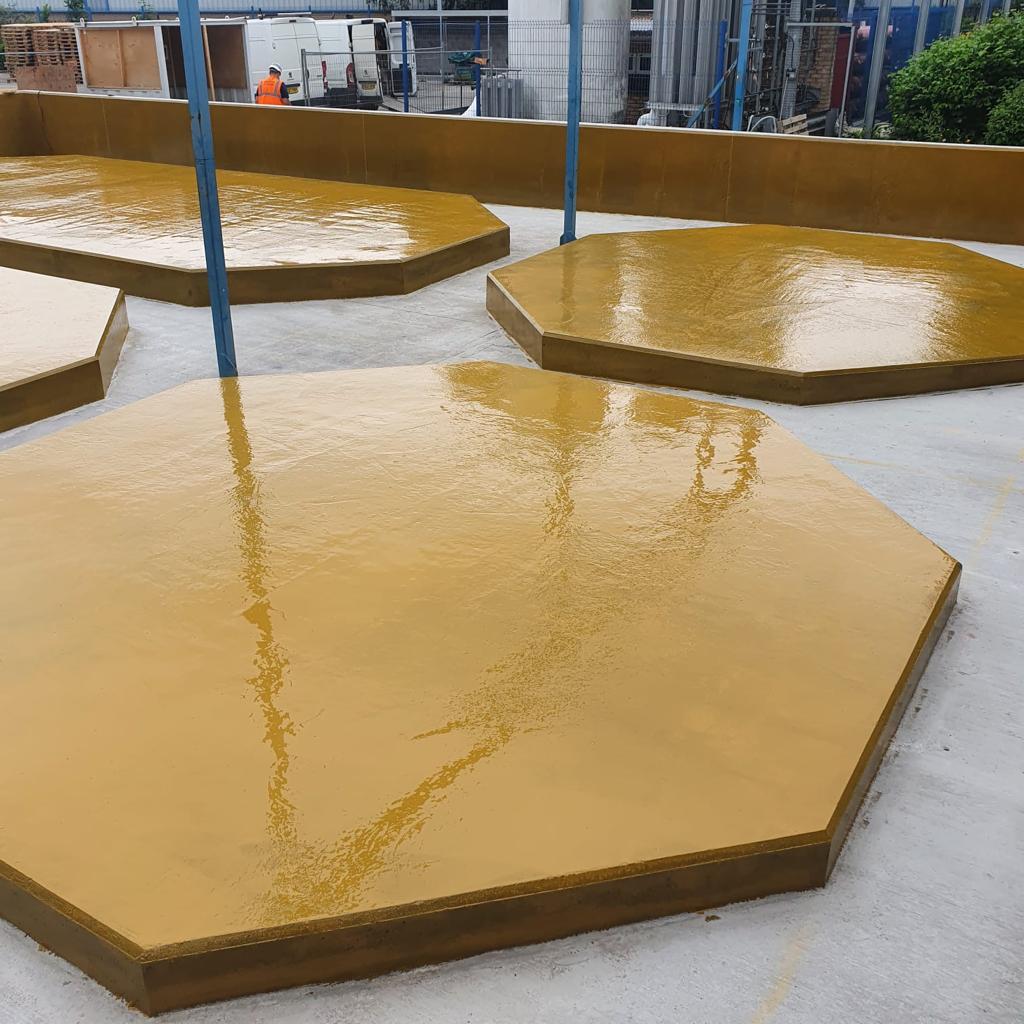
Expansion Joint & Detail Treatment
Expansion joint and detail treatment is the specialist work that turns a lined bund into a sealed one. It covers every movement joint, penetration, corner and termination where flexibility, chemical resistance and a pinhole free seal have to co-exist. Across a bund lining system, this is the work that decides whether containment holds.
What is Expansion Joint & Detail Treatment?
Most bund failures happen at joints and details, not across the main coating. Expansion joints give concrete the movement points it needs, but they also interrupt the containment barrier. Detail treatment seals them with flexible, chemically resistant materials that take the movement while holding containment. To work reliably, those seals and the coatings beside them must stay bonded, resist chemical exposure and form a continuous, leak free barrier across the design life.
When is Expansion Joint & Detail Treatment Required?
Common Expansion Joint & Detail Treatment Structures
Formed and saw-cut expansion joints in concrete slabs and bund floors
Construction and day joints between consecutive concrete pours
Isolation joints separating slabs from walls, columns or plinths
Kicker joints at the base of bund walls
Wall-to-floor coved fillets tying floor lining into wall lining
Wall-to-wall internal corners and re-entrant details
Top-of-wall terminations and external drip edges
Penetrations around pipework, supports, drains, anchors and cable trays
Sump and catchpot transitions
Precast panel joints and modular bund interfaces
Crack repair and injection details within otherwise sound concrete
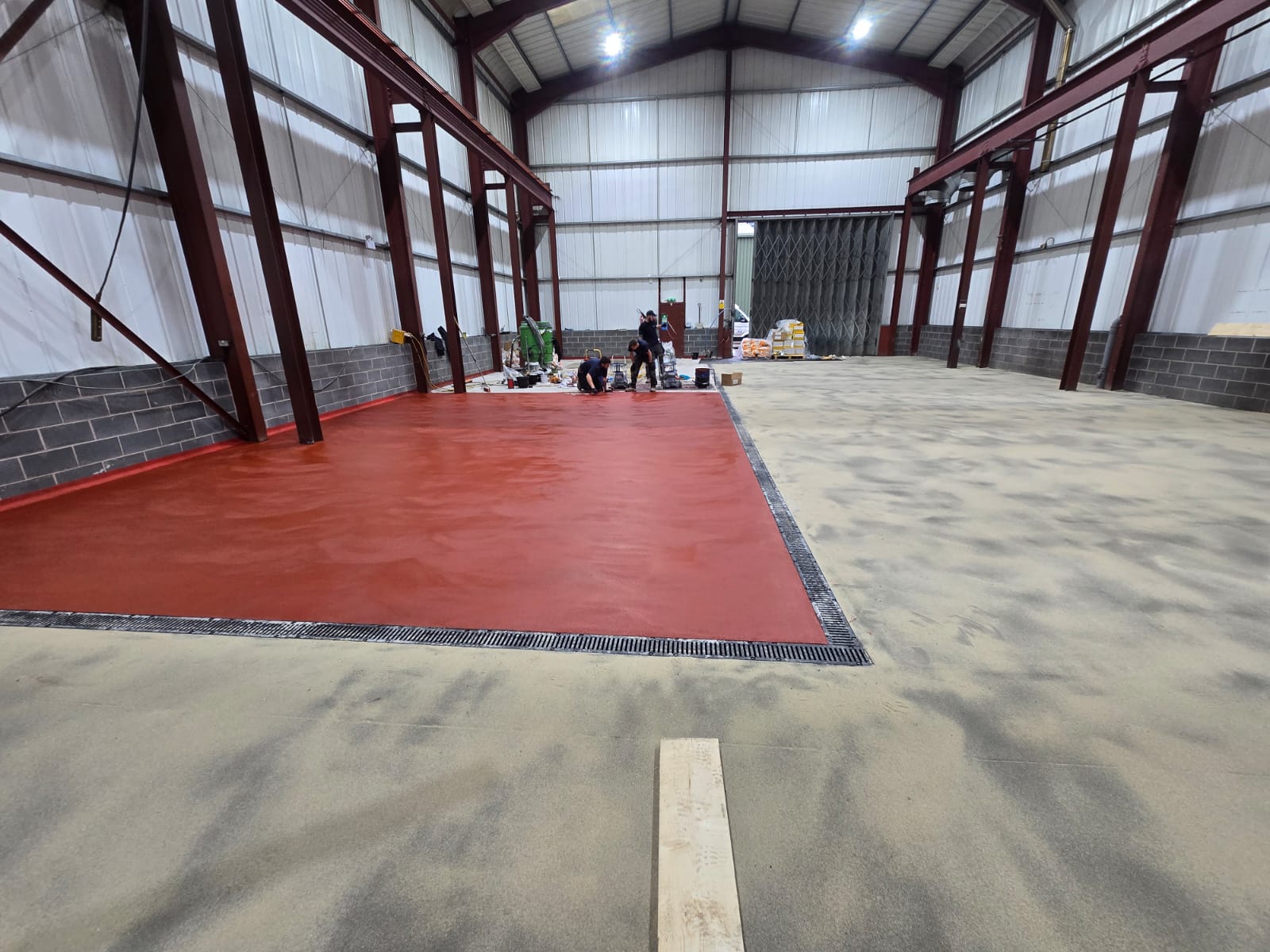
Expansion Joint & Detail Treatment Performance Requirements
Recommended Expansion Joint & Detail Systems
For detail treatment the palette is narrower than for field lining, because each product has a defined role: prime the flank, bond to a clean substrate, take a calculated movement class, or reinforce a re-entrant detail. ResChem draws from the following:
Epoxy Resins
Used to prime joint flanks, bed reinforcing fleeces at re-entrant corners and infill non moving details such as static cracks, sealed in penetrations and damaged arrises reinstated before sealant goes on. Here epoxy is the foundation work, not the moving seal.
Polyurethane Resins
The default sealant for movement joints in UK bunds, in gun grade for vertical wall joints and self levelling for horizontal floor joints. PU gives the elongation, recovery and movement class (typically 25% MAF) an active expansion joint needs across its service life.
Polyurea Resins
The choice for rapid detail work where a leaking penetration, debonded collar or perished joint must be back in service in hours, not days. Sprayed polyurea also suits full reinforcing detail bands at wall to floor coves and re-entrant corners.
Vinyl Ester Resins
For joints and details exposed to concentrated mineral acids or oxidisers, where a standard polyurethane sealant would harden, split or break down chemically. Usually specified as a fleece reinforced detail band rather than a movement seal.
Novolac Epoxy Resin
The priming and fleece bedding chemistry for the most demanding details: hot solvent splash zones, high concentration acid penetrations and elevated temperature joints where a standard epoxy primer would soften and lose grip on the flank.
Recommended Expansion Joint & Detail Build-Up Methods
Joint and detail work is about geometry and sequencing: the right backer rod depth, the right depth to width ratio, the right primer in its cure window, and a clean transition into the field lining. Every method below is shaped around those disciplines.
Site Fabrication
Fabricated cover strips and trafficked joint protectors for floor expansion joints, weatherbar profiles for top of wall details, splice plates for precast panel interfaces, and bespoke pipe and cable collars where standard penetration kits do not fit.
Lining and Levelling
Local correction at the detail: rebuilding spalled joint shoulders, reinstating square arrises and bringing both flanks of a joint into one plane so the sealant sits at its calculated depth to width ratio, not chased into an irregular pocket.
Protective Coatings
Sequencing the field coating so it terminates cleanly into the sealant rather than running over it. We feather the lining back from the flank, prime with a chemistry the sealant can bond to, and tool the detail flush so it presents no stress riser to foot or wheel.
Bund Lining Repairs
Joint specific remediation: racking out perished sealant, removing failed backer rod, exposing sound concrete on both flanks, then repriming and resealing without disturbing the field lining. Most joint failures are fixed without recoating the bund.
Trowel Applied Mortar Systems
Rebuilding the geometry joint work depends on: damaged joint shoulders, broken kicker arrises at the base of bund walls, spalled corners at penetrations and kerb upstands at containment edges. This is preparatory to sealing, not a substitute for it.
Surface Preparation
Preparation at a joint is a different discipline from preparation across the field. We rack out and back grind both flanks to fresh concrete, extract dust from the full joint depth, manage moisture so the primer takes, and prime within the manufacturer's cure window.
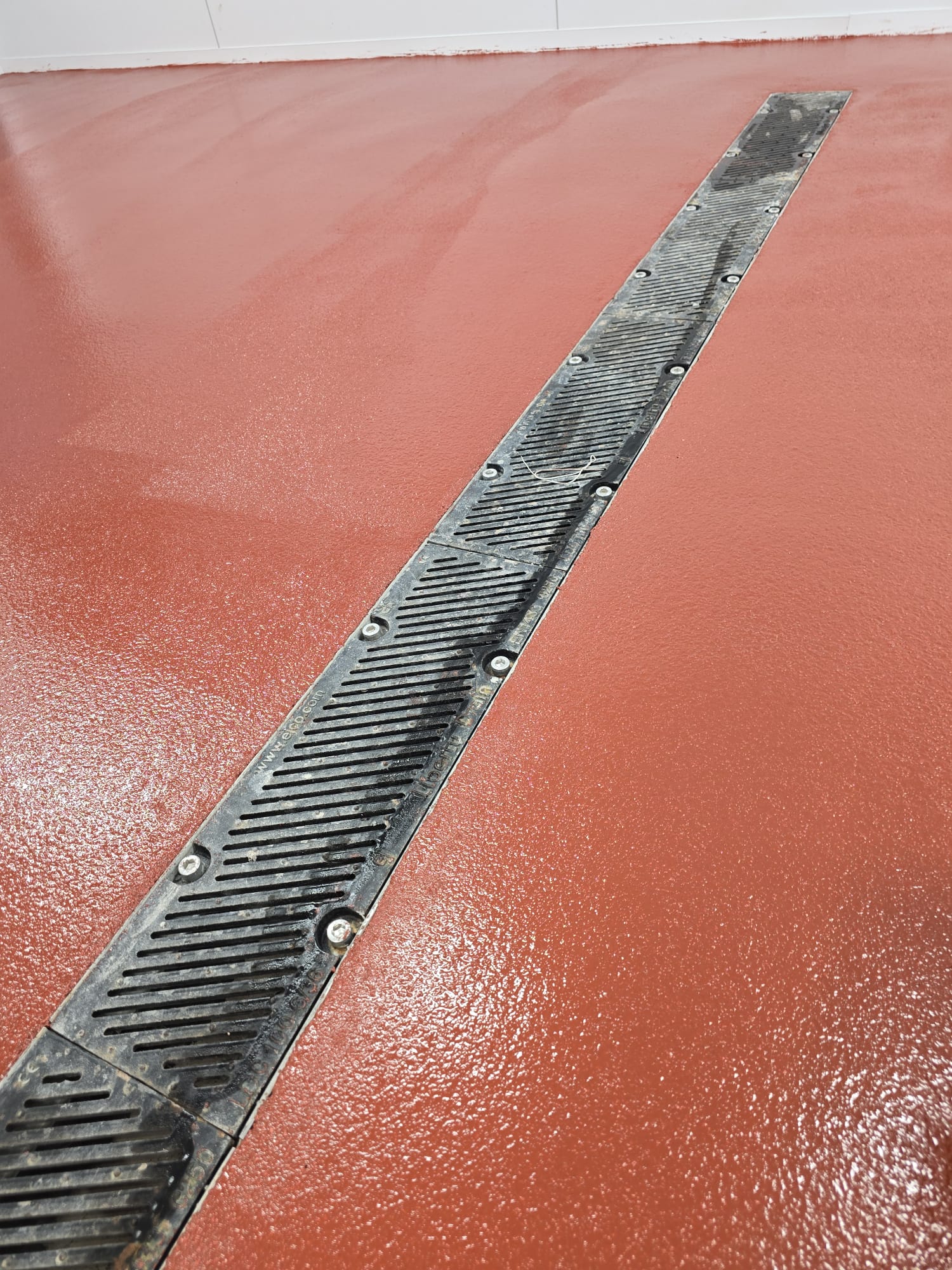
Key Design & Detailing Considerations
Regulatory Compliance
Expansion joint and detail treatment sits within the wider UK regulatory framework, and the specification should evidence compliance from day one. The principal obligations are:
Speak to a Specialist
Our technical team can advise on the right system for your project.
Frequently Asked Questions
Often yes, joint and detail work is targeted, localised and well suited to short outage windows, and rapid-cure polyurea systems can have a single detail back in service inside hours. Where adjacent plant remains live, we work under permit-to-work and isolate only the immediate area being treated rather than the wider asset.
A correctly specified expansion joint and detail treatment typically delivers 7–15 years of service before the sealant needs replacement, which is shorter than the field lining around it. The host lining itself usually outlasts at least one and often two cycles of joint resealing, which is why we treat detail work as planned maintenance rather than once-and-done.
We pair a flexible polyurethane or polyurea sealant for movement accommodation with a chemically resistant primer and fleece-reinforced detail band where aggressive chemistry sits at the joint, so each component carries its specific role rather than asking one material to do both jobs. Joint geometry, meaning depth-to-width ratio and backer rod sizing, is tuned to the calculated movement class of the bund.
Failed sealants are almost always fully replaced rather than patched. Once a sealant has hardened, perished or debonded, the only reliable remedy is to rack it out, replace the backer rod, re-prime the flank and reseal. Patching over a failed sealant rarely lasts more than a few months and does nothing to address the underlying movement or adhesion failure.
Yes, extreme temperature service shifts the specification towards higher-modulus polyurea or polysulphide sealants and demands tighter attention to joint geometry, since thermal movement scales with the temperature range the bund actually sees. We also specify chemically resistant primers and reinforcing fleeces at re-entrant details where thermal cycling concentrates stress.
Most joint and detail treatment work completes in one to three working days per bund, including racking out, substrate preparation, priming, sealant placement and cure. Larger projects covering multiple movement joints, full re-entrant detail bands or whole-bund detail re-seal programmes typically run from three days to two weeks depending on scope.
Featured Case Studies